
Fountain Hills Tile Flooring: Choose, Install & Maintain
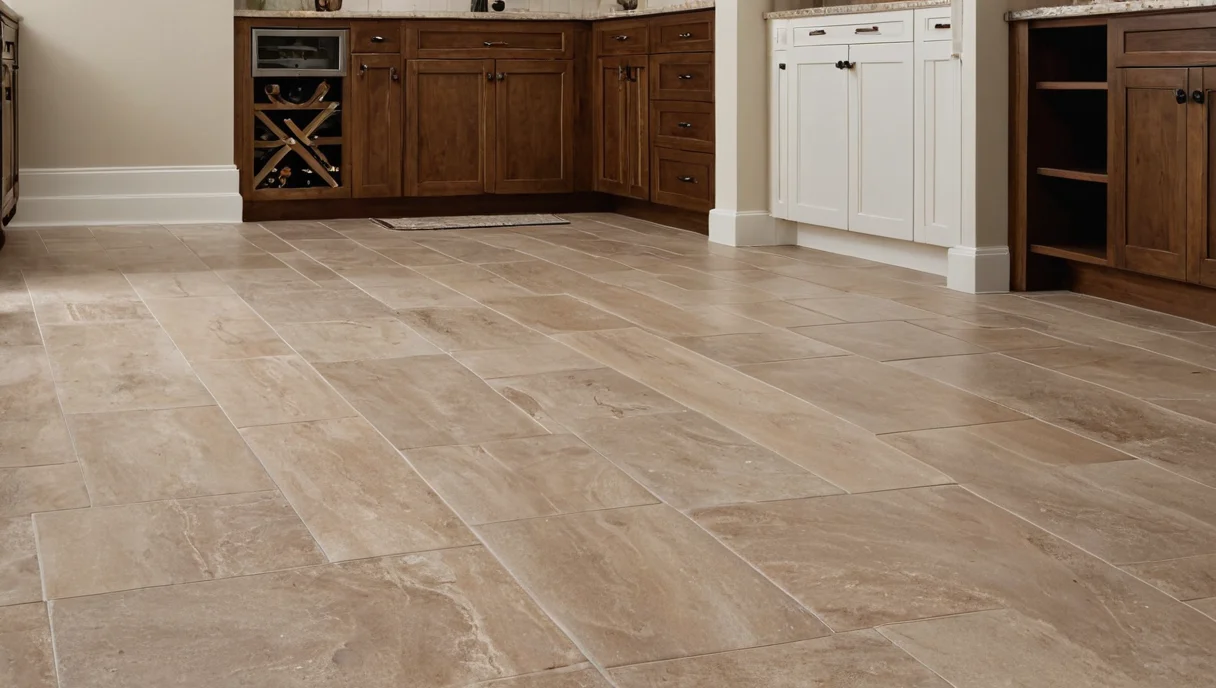
Elevate Your Fountain Hills Home: A Guide to Choosing, Installing, and Maintaining Tile Flooring
Fountain Hills, with its stunning desert landscapes and vibrant communities, is a prime location for homeowners who appreciate both beauty and practicality. When it comes to flooring, few options blend these qualities as seamlessly as tile. Whether you’re building a new dream home or refreshing an existing space in Fountain Hills, Scottsdale, Gilbert, Mesa, Chandler, Tempe, or Ahwatukee, understanding the nuances of tile flooring — from selection to installation and long-term care — is key to achieving a truly remarkable interior.
At Rico Flooring, we specialize in delivering premium tile flooring installations tailored to the unique demands of Arizona living. With our extensive experience and dedication to craftsmanship , we ensure your tile project not only looks stunning but also stands the test of time.
Why Tile Flooring Reigns Supreme in the Arizona Desert
Tile flooring isn’t just a popular choice in the Phoenix Metro Area; it’s a smart one. Its inherent properties make it exceptionally well-suited for the Arizona climate and lifestyle:
- Cooling Properties: Tile’s thermal mass helps it stay cooler than other flooring types, a significant advantage during our long, hot summers. It acts as a natural heat sink, contributing to a more comfortable indoor environment and potentially reducing energy costs.
- Unmatched Durability: From everyday foot traffic to the occasional dropped item, tile is incredibly resilient. It resists scratches, dents, and wear, making it ideal for busy households with children or pets.
- Water Resistance: Ceramic, porcelain, and properly sealed natural stone tiles are highly resistant to moisture, making them perfect for kitchens, bathrooms, laundry rooms, and entryways. This water resistance also makes cleaning spills a breeze.
- Hypoallergenic & Easy to Clean: Tile doesn’t harbor dust, pollen, or pet dander, making it an excellent choice for allergy sufferers. A quick sweep or damp mop is usually all it takes to keep it looking pristine.
- Design Versatility: From rustic to modern, minimalist to intricate, tile offers an unparalleled range of colors, patterns, textures, and sizes to complement any design aesthetic.
Navigating Your Tile Choices: A Deep Dive into Materials and Aesthetics
Selecting the right tile involves more than just picking a color. It’s about understanding material properties, durability ratings, and how different designs can impact your space.
Popular Tile Materials for Phoenix Area Homes
1. Porcelain Tile: Arguably the most popular choice for modern Arizona homes, porcelain is a type of ceramic tile known for its exceptional density, low water absorption rate, and outstanding durability. It’s available in an incredible array of styles, including realistic wood-look planks, natural stone imitations, and sleek contemporary finishes.
2. Ceramic Tile: A classic choice, ceramic tile is versatile and cost-effective. While slightly less dense than porcelain, it’s still very durable and comes in a vast spectrum of colors, shapes, and sizes. It’s an excellent option for areas where extreme moisture isn’t a primary concern.
3. Natural Stone Tile: For a touch of timeless elegance and unique character, natural stone options like travertine, marble, slate, and granite are unparalleled. Each piece boasts distinct veining and coloration, creating a luxurious and one-of-a-kind floor. Natural stone requires sealing to protect against stains and moisture.
Understanding Tile Durability: The PEI Rating
When choosing ceramic or porcelain tile, you might encounter the PEI (Porcelain Enamel Institute) rating. This scale indicates a tile’s resistance to abrasion and wear, helping you select the right tile for specific areas:
- PEI 0: No foot traffic (wall tile only).
- PEI 1: Very light foot traffic (e.g., bathrooms where soft footwear is used).
- PEI 2: Light foot traffic (e.g., residential bathrooms, bedrooms).
- PEI 3: Moderate foot traffic (e.g., residential areas with normal footwear).
- PEI 4: Heavy foot traffic (e.g., all residential applications, light commercial).
- PEI 5: Very heavy foot traffic (e.g., all residential and heavy commercial).
For most homes in Fountain Hills and the surrounding Phoenix Metro Area, a PEI rating of 3 or 4 is ideal for main living areas, ensuring longevity and performance.
Design & Layout Trends to Consider
The way your tile is laid can dramatically alter the feel of a room. Here are some popular options:
- Straight Lay: The most common and timeless pattern, where tiles are installed in a simple grid. It creates a clean, organized look and is often the most cost-effective to install.
- Diagonal Lay: Tiles are laid at a 45-degree angle to the walls, creating a sense of expansiveness and dynamism. It can make smaller rooms feel larger.
- Herringbone Pattern: A sophisticated and intricate pattern, particularly stunning with rectangular tiles or wood-look planks. It creates a striking visual flow and adds a custom, high-end feel.
- Offset/Staggered Lay: Often used with rectangular tiles, resembling a traditional brick pattern. This adds visual interest and can help disguise minor subfloor imperfections.
- Large Format Tiles: Gaining immense popularity, large format tiles (e.g., 24×24 inches or larger) create a sleek, minimalist look with fewer grout lines, making rooms feel more expansive and easier to clean.
- Wood-Look Tile: Offering the aesthetic appeal of wood planks with the durability and water resistance of tile, these are perfect for those who love the look of wood but need a more resilient option for our climate.
The Critical Role of Professional Tile Installation
While DIY shows might make tile installation look simple, it’s a complex process that demands precision, skill, and specialized tools. For enduring beauty and performance, professional installation is non-negotiable, especially for your investment in a Fountain Hills home.
Comprehensive Preparation: The Foundation of Success
At Rico Flooring, we understand that the quality of the finished floor is only as good as its foundation. Our full-service installation process includes:
- Material Delivery: We handle the logistics, ensuring your premium materials arrive safely and on time.
- Furniture Moving: Our team takes care of moving your furniture, protecting it during the process.
- Old Flooring Demolition: We efficiently remove and dispose of existing flooring, preparing the space for its transformation.
- Subfloor Preparation: This is perhaps the most crucial step. We meticulously assess and prepare your subfloor, ensuring it’s clean, dry, level, and structurally sound. This might involve patching, leveling compounds, or installing appropriate underlayment to prevent future cracking or unevenness.
Why Professional Craftsmanship Makes the Difference
1. Precision Layout & Cutting: Achieving a symmetrical, aesthetically pleasing layout requires careful planning, accurate measurements, and precise cuts – especially around architectural features, doorways, and corners. Our experts ensure minimal waste and a flawless finish.
2. Proper Mortar Application: The right type of mortar, correctly mixed and applied, is essential for a strong bond and to prevent hollow spots that can lead to cracked tiles. Our team uses industry-best practices and materials.
3. Expert Grouting: Grout is more than just filler; it contributes to the tile’s stability and waterproof qualities. We ensure even grout lines, proper curing, and thorough cleaning for a professional look and lasting protection.
4. Attention to Detail: From expansion joints to transitions, every detail impacts the longevity and appearance of your floor. Our licensed and insured professionals bring a meticulous eye to every project, ensuring a premium result.
Tile vs. Other Popular Flooring Options in the Arizona Market
It’s helpful to understand how tile compares to other common flooring types when making your decision.
Tile vs. Luxury Vinyl Plank (LVP)
- Durability & Longevity: Both are highly durable. Tile generally boasts a longer lifespan and superior scratch resistance, especially porcelain. LVP is softer underfoot and more forgiving if items are dropped.
- Water Resistance: Both are excellent. LVP is completely waterproof, making it a strong contender for bathrooms and kitchens. Many tiles are also highly water-resistant, and with proper grouting and sealing, they perform exceptionally well in wet areas.
- Aesthetics: Tile offers a broader range of authentic stone, ceramic, and concrete looks. LVP excels at mimicking wood looks with convincing realism.
- Cooling: Tile is significantly better at retaining coolness, a major benefit in Arizona.
- Resale Value: Quality tile flooring often contributes positively to a home’s resale value due to its durability and timeless appeal.
Tile vs. Laminate Flooring
- Durability: Tile is significantly more durable and resistant to scratches, dents, and heavy wear than laminate. While modern laminates are tough, they can still be susceptible to chipping or scratching over time.
- Water Resistance: Tile is inherently water-resistant (especially porcelain), while most laminate is highly susceptible to water damage, causing swelling and warping. Even