
The Ultimate Greater Phoenix Wood Flooring Guide: Materials, Climate Challenges, and Cost Realities
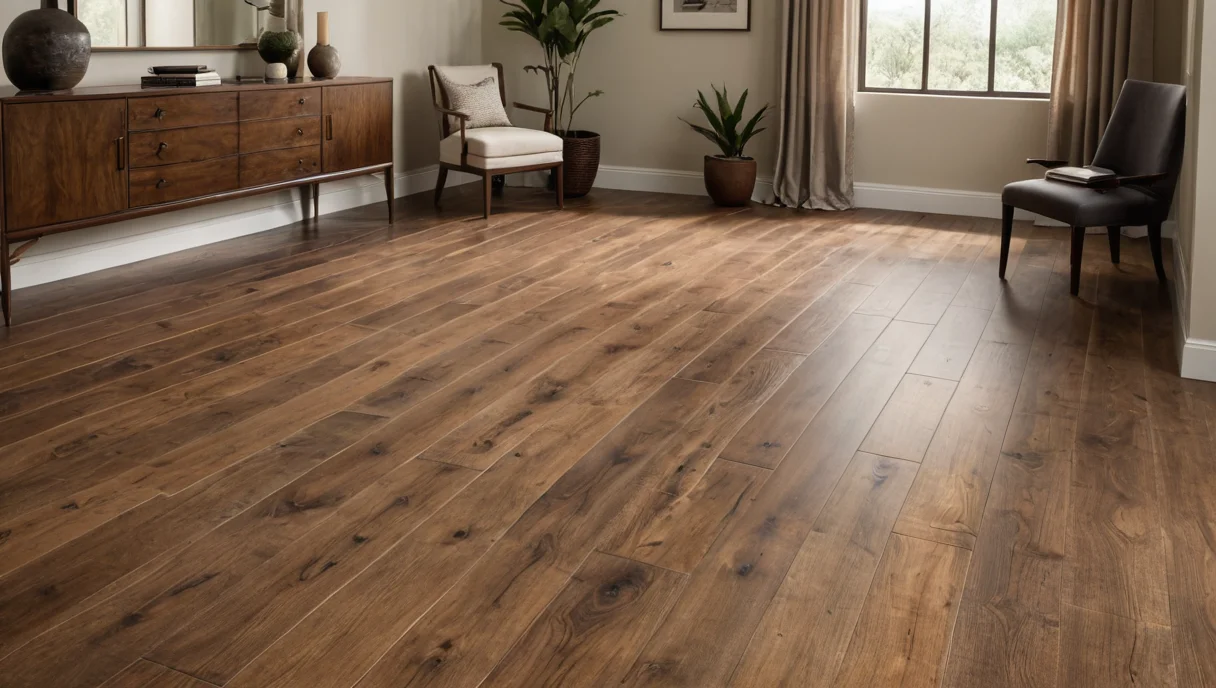
The Ultimate Greater Phoenix Wood Flooring Guide: Materials, Climate Challenges, and Cost Realities
Welcome to the definitive resource for homeowners navigating the complex world of wood flooring in the Greater Phoenix Metropolitan Area.
There is a persistent myth that you cannot have beautiful wood floors in the Sonoran Desert. The truth is, you absolutely can\u2014but the desert environment requires a completely different approach to material selection, subfloor preparation, and installation than almost anywhere else in the United States.
Whether you are renovating a historic bungalow in Central Phoenix, upgrading a sprawling family estate in North Scottsdale, or selecting durable floors for a busy suburban home in Gilbert, this guide will help you make a smart, climate-resilient investment.
—
Chapter 1: The Sonoran Desert Climate & Your Subfloor
To understand why wood floors behave differently in Phoenix, we have to look beneath the surface. Phoenix homes are unique due to two major environmental factors: structural foundations and extreme atmospheric dryness.
The Concrete Slab Factor
The vast majority of homes in the Phoenix Valley are built on concrete slab-on-grade foundations rather than wood joist subfloors. Concrete is highly porous; it acts like a sponge, slowly pulling moisture up from the earth and emitting it as invisible vapor. If you trap this moisture under an improperly installed wood floor, it will ruin the material.
Dual-Stress Dehumidification
For most of the year, Phoenix is incredibly dry. Our average indoor relative humidity (RH) often drops into the low 20s during the blistering summer months when air conditioners run constantly. Continuous AC acts as a massive dehumidifier, extracting moisture from your walls, furniture, and wood floors.
However, this prolonged dryness is interrupted by the summer monsoon season, which brings sudden spikes in indoor humidity. This dramatic swing\u2014arid air pulling moisture out of the wood from above, while concrete vapor pushes moisture into the wood from below\u2014is highly destructive to traditional solid wood.
Why Solid Wood is a Risk
When solid wood planks lose moisture rapidly due to AC, they shrink, resulting in unsightly seasonal gapping, surface cracking, and “face-checking.” Conversely, when they absorb excess moisture, they swell, leading to cupping (edges warping upward) or crowning (the center warping upward).
For these reasons, engineered hardwood is the standard recommendation for Phoenix homes. Its cross-ply core structure limits expansion and contraction, giving it the dimensional stability required to survive the desert climate.
—
Chapter 2: The Best Wood and Wood-Alternative Materials for Phoenix
Navigating your options requires balancing aesthetic desires with the functional realities of desert living.
1. Engineered Hardwood (The Gold Standard)
Engineered hardwood features a real wood veneer (wear layer) bonded over high-density, cross-ply layers of plywood or fiberboard. This engineering prevents the floor from warping or shifting under extreme humidity changes, making it ideal for direct glue-down installations over concrete slabs.
- Best for: Living rooms, bedrooms, open-concept home designs.
- Phoenix Advantage: Highly stable; looks and feels identical to solid wood because the top layer is genuine hardwood.
2. Luxury Vinyl Plank / LVP (The Performance Champion)
For active households, Luxury Vinyl Plank (LVP) is the most popular wood alternative in Phoenix. High-definition digital printing and physical embossing allow LVP to mimic the texture, grain patterns, and warmth of real wood.
- Best for: High-traffic areas, kitchens, bathrooms, and homes with pets and swimming pools.
- Phoenix Advantage: 100% waterproof, highly scratch-resistant, and immune to moisture fluctuations. Look for FloorScore or Greenguard Gold certified products to ensure low chemical emissions.
3. Sustainable and Eco-Friendly Alternatives
If environmental footprint and indoor air quality are your top priorities, several high-performance options excel in dry climates:
- Strand-Woven Bamboo: Highly renewable and twice as hard as traditional oak, making it incredibly dent-resistant.
- Cork Flooring: Naturally harvested from the bark of cork trees, cork provides excellent thermal insulation, remains comfortable underfoot, and absorbs impact noise.
- Reclaimed Wood: Sourced from old structures, reclaimed wood has already completed its natural drying cycle over decades, making it highly stable and rich with historical character.
—
Chapter 3: Durability Realities (Sand, Dust, and Janka Hardness)
Phoenix dust is not ordinary household dust; it is made up of fine, abrasive silicate sand blown in from the desert. When tracked indoors, these microscopic particles act like sandpaper under foot traffic, scratching soft wood finishes.
Demystifying the Janka Hardness Scale
The Janka Scale measures a wood species’ resistance to denting and wear. In Arizona, we highly recommend selecting a wood with a Janka rating of 1,200 or higher for high-traffic zones.
| Wood Species | Janka Hardness Rating | Phoenix Suitability Score | Best Use Case |
| :— | :— | :— | :— |
| Hickory | 1,820 | Excellent | Active family homes, high-traffic corridors |
| White Oak | 1,360 | Excellent | Standard for modern, open-concept desert luxury |
| American Walnut | 1,010 | Fair | Bedrooms, low-traffic areas, formal libraries |
Finish and Texture Secrets
- Say No to High Gloss: Shiny, glossy finishes act as a mirror, highlighting every scratch, dust particle, and pet hair.
- Embrace Matte and Texture: Matte finishes (below 25% sheen) paired with textured surfaces like wire-brushed or hand-scraped wood are highly forgiving. They hide daily wear, pet claws, and desert dust beautifully.
- UV Resistance: Our intense Arizona sun can bleach and discolor natural wood near large windows. Always ask your installer about UV-cured factory finishes or consider applying UV-protective window films.
—
Chapter 4: Crucial Installation Standards & Concrete Prep
When hiring a flooring contractor in Phoenix, the quality of their work is defined by how they prepare your subfloor before a single plank of wood is laid down.
1. Concrete Leveling
Phoenix home slabs are notorious for being uneven. A rigid wood or LVP floor laid over an uneven concrete slab will flex, develop hollow spots, squeak, and eventually experience joint failure. A premier contractor will grind down high spots and use self-leveling underlayment to flatten the slab to a tolerance of 3/16-inch (or tighter) over a 10-foot radius.
2. Moisture Mitigation
To protect your floors from concrete vapor, installers must apply a commercial-grade moisture barrier. For glue-down engineered wood, this usually means an elastomeric, epoxy-based moisture-mitigation primer rolled directly onto the concrete before applying the adhesive.
3. Dust-Free Tile Removal
If your remodel involves removing existing ceramic, porcelain, or Saltillo tile, traditional demolition will fill your home and HVAC ductwork with dangerous silica dust. Ensure your chosen contractor utilizes patented dust-free tile removal systems to keep your indoor air safe and save you thousands of dollars in post-remodel cleaning costs.
—
Chapter 5: Phoenix Neighborhood Matchmaker
Flooring choices across the Phoenix Valley vary by neighborhood, age of construction, and architectural style:
The Luxury Tier: Scottsdale, Paradise Valley, and Arcadia
- The Aesthetic: High-end design in these enclaves favors wide-plank (7-inch to 10-inch) European White Oak, rich walnut, and custom herringbone patterns.
- The Vibe: Understated, warm, contemporary desert minimalism that integrates indoor and outdoor living.
Historic Preservation Districts: Central Phoenix Enclaves
- The Neighborhoods: Willo, Coronado, Encanto-Palmcroft, F.Q. Story, and Garfield.
- The Regulatory Reality: Renovating historic homes requires balancing preservation guidelines with modern performance. Older homes built before 1978 require strict compliance with EPA Lead-Safe guidelines and asbestos mitigation rules.
- The Best Choice: True historic restorations often favor sourcing reclaimed heart pine or oak, or refinishing original solid wood floors with dustless sanding systems.
The Suburban Core: The East and West Valley
- The Cities: Chandler, Gilbert, Mesa, Tempe, Peoria, and Surprise.
- The Vibe: Active family living, backyard pools, kids, and pets.
- The Best Choice: Premium LVP, highly durable Hickory engineered wood, or large-format wood-look porcelain tile. The focus here is on high scratch resistance, water protection, and hassle-free maintenance.
—
Chapter 6: Estimating Your Flooring Budget
Flooring project costs in Phoenix are divided into materials, labor, and subfloor preparation. Below is a breakdown of realistic market expectations:
- Budget Tier ($7.00 \u2013 $12.00 per sq. ft. installed): Includes high-quality LVP or entry-level engineered hardwood. Great for rental properties, starter homes, and budget-conscious remodels.
- Mid-Range Tier ($12.00 \u2013 $18.00 per sq. ft. installed): High-durability engineered woods (Oak, Hickory) featuring premium finishes, wire-brushed textures, and standard concrete leveling.
- Premium Tier ($18.00 \u2013 $30.00+ per sq. ft. installed): Wide-plank European imports, custom stains, detailed herringbone designs, and advanced subfloor leveling for estate homes.
Protect Your Product Warranty
Almost all hardwood manufacturers require strict installation protocols to keep their product warranties valid. This includes checking concrete moisture levels with specialized meters, acclimating the wood inside your climate-controlled home for several days before installation, and leaving proper expansion gaps around the perimeter. Professional installation protects your investment and ensures your warranty is fully enforceable.
—
Chapter 7: Desert Maintenance & Preservation
Once your beautiful wood floors are installed, keep them looking pristine with these simple desert-care habits:
1. Keep Grit Outdoors: Place high-quality walk-off mats at every entrance. Implement a strict “no-shoes” policy inside the home to prevent abrasive sand from tracking onto your wood floors.
2. Sweep or Vacuum Frequently: Use a soft-bristled broom or a hardwood-approved vacuum (without a spinning beater bar) at least twice a week to remove micro-silicate dust.
3. Manage Your Indoor Climate: Try to keep your home’s indoor humidity between 30% and 50% year-round. This range keeps wood stable, preventing seasonal gaps during dry winter spells and swelling during summer monsoons.
4. Damp Mop Only: Never use steam mops or wet swiffers on wood floors. Excess heat and water can penetrate the seams, causing delamination. Instead, use a damp microfiber mop with a manufacturer-recommended, pH-neutral wood cleaner.