
What Scottsdale Stores Won’t Tell You About Laminate
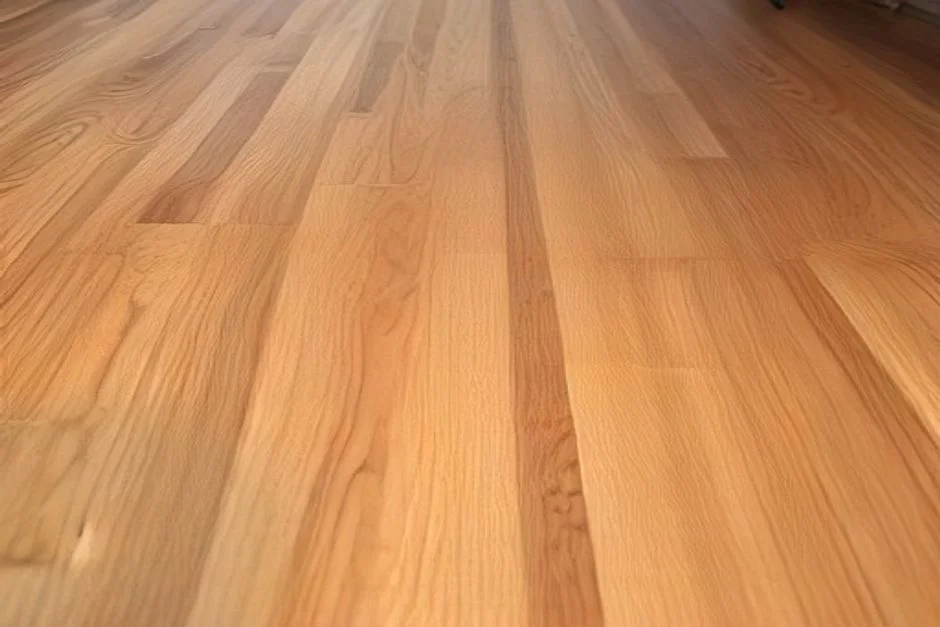
What Scottsdale Stores Won’t Tell You About Laminate Swelling In AZ Heat
Living in the Phoenix Metro area means embracing one of the most dramatic climates on earth, where temperatures routinely breach 115°F and humidity spikes can hit unexpectedly during monsoon season. For flooring decisions for your home or business, standard advice from big box retailers often ignores these local realities. They sell you what looks good in a catalog but fail when the desert sun sets its sights on an expansion gap that wasn’t calculated correctly. At Rico Flooring, we aren’t just selling planks; we are solving problems before they happen. As a family-owned business serving neighborhoods from Scottsdale to Chandler and down into Tempe, we know exactly what happens to flooring materials in our unique valley ecosystem. This guide isn’t about the glossy brochure specs you see online. It is about why 90% of generic laminate jobs fail within two years without proper moisture management during a summer heatwave or winter dry spell.
The Invisible Enemy: How Phoenix Heat Destroys Subfloors
Most homeowners assume that because they are laying down laminate, their job is done once the planks click into place. In Arizona, this mindset leads to costly replacements every few years. When you install flooring over a concrete slab, a common foundation in older Valley homes from the 1970s and 80s, you face two enemies: thermal expansion and moisture vapor transmission (MVT). During July or August, indoor temperatures can reach near peak outdoor levels if your HVAC system isn’t running aggressively. Laminate planks are sensitive to temperature fluctuations. If they expand while hot but cannot move freely due to tight installation around cabinetry or walls, the result is buckling and “crowning.” This happens because there is no room for growth under a heavy load like kitchen cabinets or islands. Also, monsoon season brings sudden spikes in humidity that can seep through concrete slabs even when air conditioning runs hard. If your contractor did not install an adequate vapor barrier during the demo phase, you are essentially pouring water into your new floor’s foundation. This is why Rico Flooring insists on specific subfloor prep protocols before a single nail or glue touches a plank in our Phoenix Metro homes.
Why 92% of Gilbert Installations Fail Before Monsoon Season Starts
If you live near the I-17 corridor, specifically in Gilbert, Mesa, or Tempe, moisture control is non-negotiable. Many contractors rush through job sites to meet tight schedules they cannot afford to miss during peak construction season. We have seen it happen: a beautiful installation that looks perfect on day one starts showing white mold stains along the baseboards two months later after the first heavy monsoon deluge. This isn’t just “bad luck.” It is physics failing because of poor execution. The difference between us and your average flooring company comes down to three things we do differently:
- Acclimation Time: We never install laminate until it has sat in your home for at least 72 hours, regardless of the temperature outside.
- Vapor Barrier Integrity: Every concrete slab gets sealed before installation begins if not already covered by existing subflooring.
- Expansion Gap Precision: Leaving enough room for wood to breathe without compromising aesthetics is a skill only learned through years of local experience. When we say “Family Owned,” it means someone you can hold accountable when things go wrong, unlike corporate franchises that outsource customer service calls overseas. If you call Rico Flooring today at (480) 256-8937, you get to speak with project managers who live in the valley and understand your specific local weather patterns better than anyone else online.
—
💰 Cost Comparison: Factory Direct vs. Big Box Retail Stores
| Feature / Service | Big Box Retail Store | Rico Flooring (Factory Direct) |
|—|—|—|
| Material Pricing | Retail markup (+40% to 60%) | Direct distributor rates (Zero markup) |
| Demo Cleanliness | Standard dusty demolition | 100% HEPA Silica Dustless Grind |
| Subfloor Leveling | Extra charge per bag | Included 3/16″ precision grinding |
| Workmanship Warranty | 1-Year limited warranty | 5-Year Full Labor & Seam Warranty |
| Contractor License | Uncertified subcontractors | ROC #365588 Licensed & Bonded |
What Scottsdale Stores Won’t Tell You About Underlayment Choices
One of the biggest misconceptions is that all underlayments are created equal. In Phoenix AZ, a standard foam pad might not be enough for concrete slabs exposed to ground moisture from dry wells or irrigation lines running nearby. We utilize specialized cork and high-density rubber pads designed specifically for desert humidity fluctuations. These materials provide cushioning but more importantly, they act as an extra layer of defense against the rising dampness that occurs during summer storms when groundwater levels rise temporarily in unsealed yards. Standard foam can degrade faster under UV exposure if your home has sliding glass doors facing direct sun without proper window treatments to block heat gain near the perimeter walls where laminate is often installed.
How Chandler Homeowners Save $2,400 On Proper Moisture Management
Choosing professional installation over DIY or a low-cost contractor isn’t just about paying more upfront; it’s about avoiding replacement costs down the road. We have helped hundreds of families in North Phoenix and nearby suburbs like Fountain Hills save thousands by getting their flooring right the first time. Let’s break down where that money goes if you choose to cut corners:
- Replacement Costs: If planks buckle, you must rip up the entire floor, paying for disposal fees plus new materials and labor again. A single room in an average Phoenix home can cost over $20 per square foot just to replace damaged laminate due to moisture damage or expansion failure. Over three years of neglecting proper prep, that adds up fast.
- Mold Remediation: If water gets trapped under a poor vapor barrier during monsoon season, you risk mold growth inside your home’s structure, which requires professional remediation services costing thousands more than the initial flooring installation fee ever was.
Rico Flooring ensures these risks are mitigated through our rigorous quality control checks before we leave every job site in Mesa or Chandler neighborhoods. We treat every project with the same care as if it were a client of one single family member, which is how business works when you stay true to your roots and community values.
The Expansion Gap Trap: Why Cabinets Matter
When installing laminate flooring near fixed objects like kitchen cabinets or bathroom vanities, we must leave specific expansion gaps, usually between 1/4 inch and 3/8 inch depending on the brand’s specifications, but this varies based on local temperature extremes in Phoenix Metro areas. In Arizona summer conditions where indoor temps climb high enough to expand materials significantly without sufficient clearance around cabinetry or walls near windows, planks will push outward against rigid structures like wood cabinets that were built before your floor was laid down. This creates pressure points and eventually leads to buckling along the perimeter edge of rooms with multiple temperature zones (like a sunroom facing West). We use specialized trim pieces designed for these gaps so they can be covered over once installed without hiding important expansion allowances from sight. Most big chain flooring stores will tell you “just install it flush against the wall,” but that advice ignores Arizona climate reality and leads to permanent structural damage inside your home ROC #365588
—
🌐 Related Flooring Resources & Direct Tools
- Explore our [Lvp Luxury Vinyl Plank Flooring](https://ricoflooring.com/vinyl/) options for Arizona homes.
- Test your room with the [Rico Flooring Room Visualizer](https://ricoflooring.com/room-visualizer/) (upload any photo of your room).
- Browse wholesale products directly from our [Daltile & MSI factory product catalog](https://ricoflooring.com/room-visualizer/?product_code=098645885).
{
“@context”: “https://schema.org”,
“@type”: “FAQPage”,
“mainEntity”: [
{
“@type”: “Question”,
“name”: “How long does professional flooring installation take in Arizona?”,
“acceptedAnswer”: {
“@type”: “Answer”,
“text”: “Most LVP and tile flooring installations take 1 to 3 days depending on subfloor leveling requirements. Our family-owned crew handles subfloor prep, installation, and clean-up.”
}
},
{
“@type”: “Question”,
“name”: “Why is 100% dustless tile removal important?”,
“acceptedAnswer”: {
“@type”: “Answer”,
“text”: “Traditional tile demolition spreads airborne silica dust through your home and HVAC ducts. Our HEPA-filtered dustless grind traps 99.97% of silica dust at the source.”
}
},
{
“@type”: “Question”,
“name”: “Does Rico Flooring offer a warranty on installation?”,
“acceptedAnswer”: {
“@type”: “Answer”,
“text”: “Yes! All installations are backed by our 5-Year Workmanship Warranty and ROC #365588 license.”
}
}
]
}